CLEARSTEADEXTERIOR CARE Prepare quote brief

Commercial window cleaning planned around access and trading

For shops, offices and managed premises, glazing sits inside an operational environment. Map panes, entrances, public interfaces and available work windows before method or frequency is discussed.

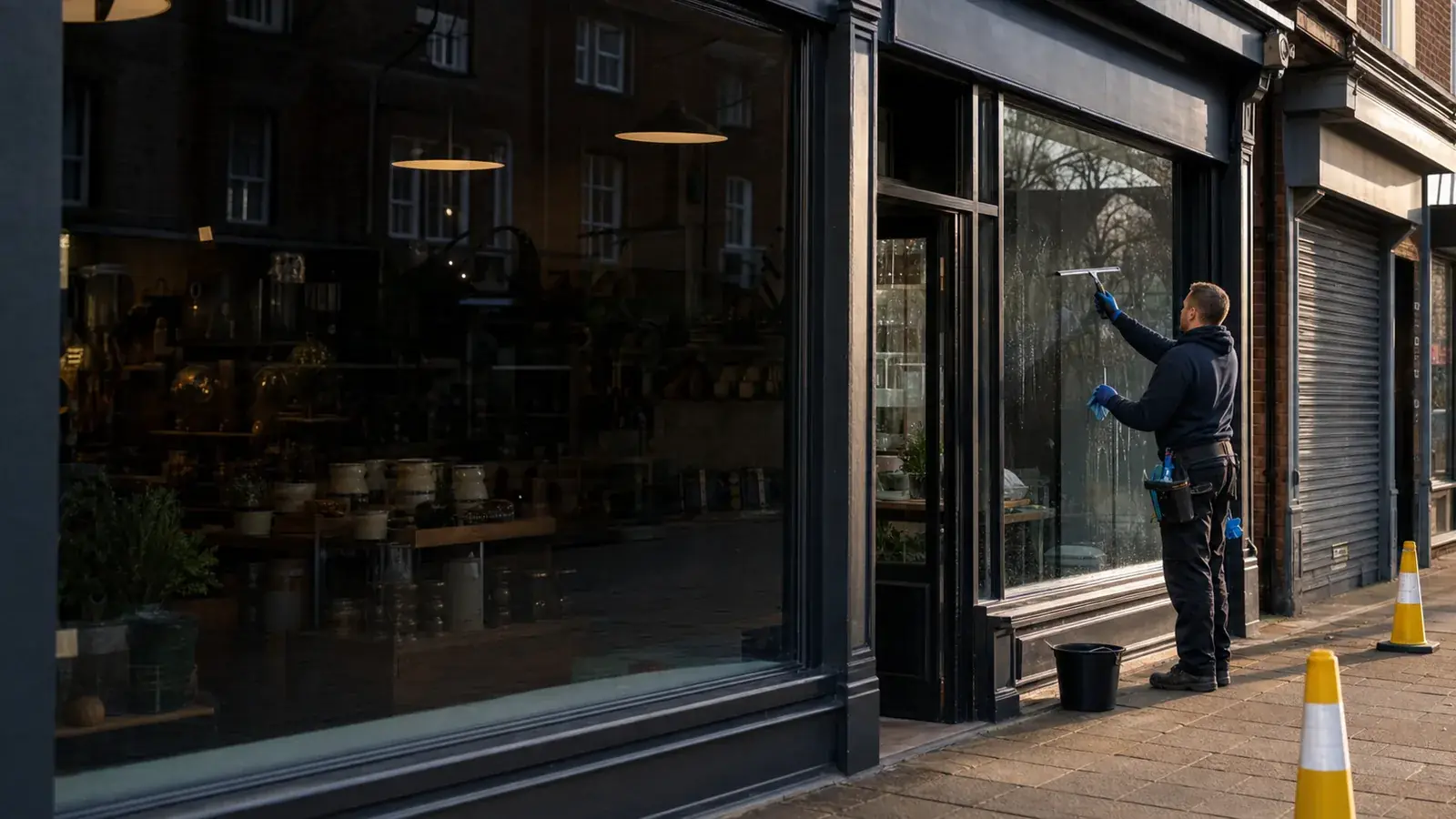
Ground-level shopfront glazing prepared for window cleaning.
Premises glazing

Method fit

Divide the glazing into frontage, entrances and upper sections

Shopfront panels, doors, internal partitions, canopies and upper-storey glazing can require different access and timing. A clear schedule starts with zones and glass faces, not a single pane count.

  • Mark internal and external faces.
  • Identify doors, display glazing and upper sections.
  • Record films, manifestations, defects and delicate finishes.

Before cleaning

Assess public routes, ground conditions and work at height

HSE guidance says work at height should be avoided where reasonably practicable and the task should be properly planned. Pavements, entrances, loading points and customer queues create additional interfaces around the access method.

  • Map pedestrian, customer and delivery routes.
  • Identify sloping, uneven or restricted ground.
  • Ask what segregation and access controls are required.
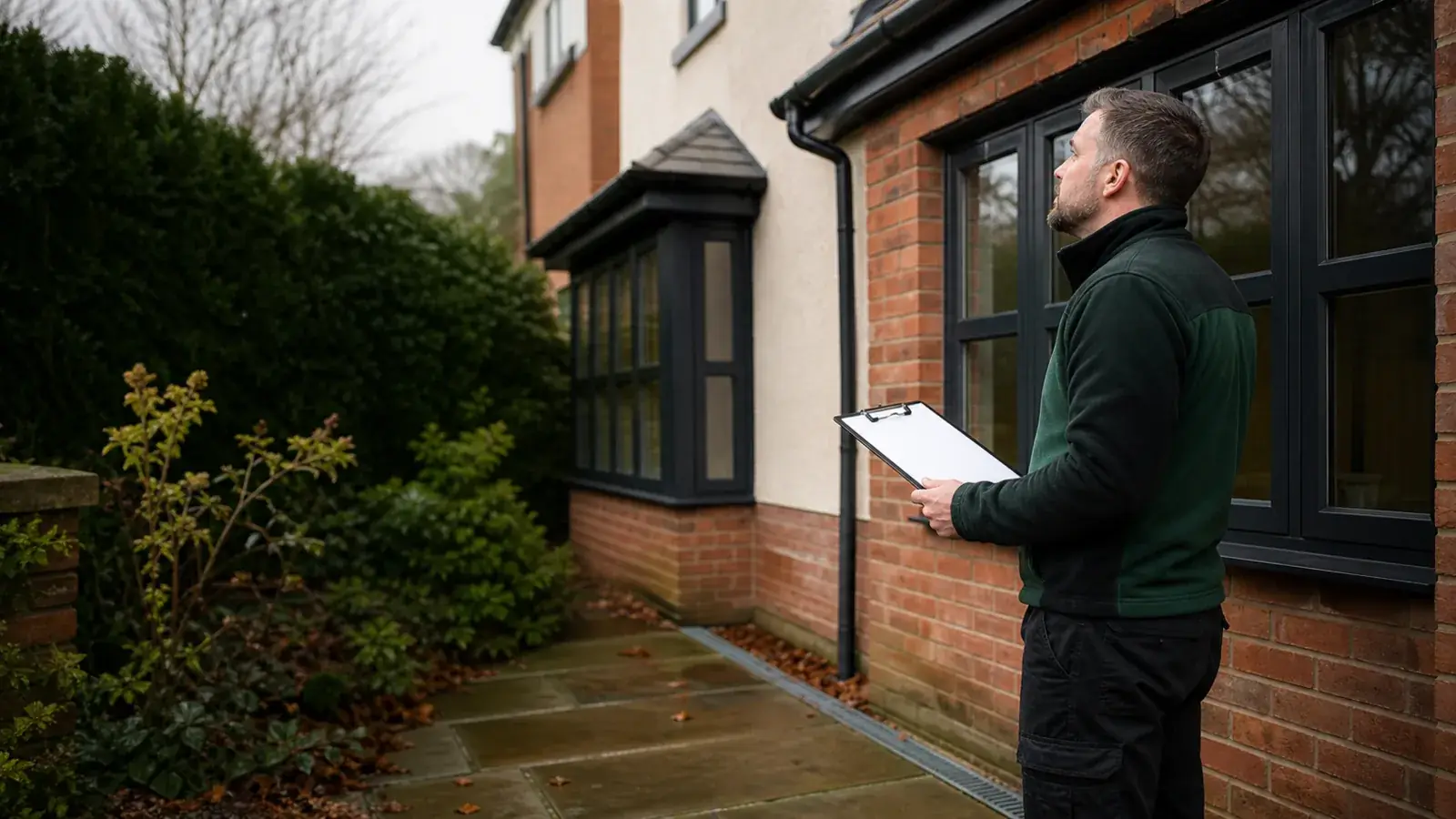
A property exterior being reviewed during a cleaning walkaround.
Operational access
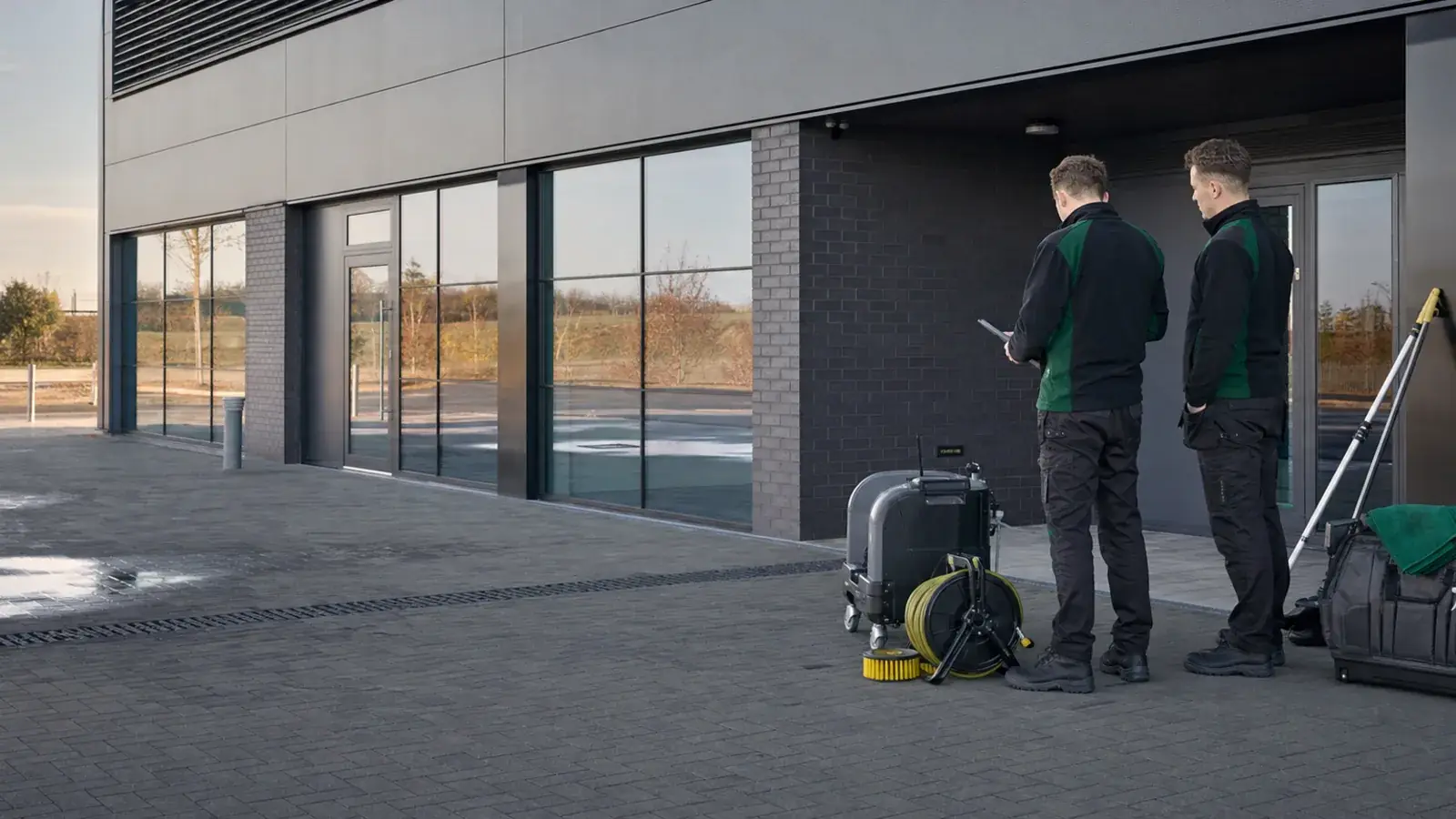
An organised exterior-cleaning setup outside a small commercial premises.
Business continuity

Protect the property

Coordinate displays, signage, stock and adjacent occupiers

Water and equipment may affect open doors, external displays, electrical signs, alarms or neighbouring frontage. Record which items can move and who can approve access without entering contact names in the browser-only builder.

  • Flag displays, signs, sensors and entrance mats.
  • Note shared frontage and landlord boundaries.
  • Agree an appropriate work window before attendance.

Scope and handover

Make frequency, standard and evidence a separate approval

A one-off clean and a recurring schedule need different confirmation. Agree included zones, frequency assumptions, acceptable access times, issue reporting and handover evidence with the real provider.

  • List one-off and recurring needs separately.
  • Define how missed or inaccessible areas are recorded.
  • Confirm documents and service records before contract.
Ground-level shopfront glazing prepared for window cleaning.
Commercial handover

Questions

Useful answers before the next step

Can window cleaning happen while the premises is open?

Possibly, but only after a real assessment of public routes, entrances, equipment and operational controls. No schedule or safety method is promised here.

Are internal windows included?

Not unless explicitly listed. Internal faces may involve access, privacy, stock, alarms and supervision that differ from external frontage.

Can Clearstead provide RAMS or insurance documents?

No. Clearstead is fictional and no credentials or documents are claimed. A real operator must supply and verify any required evidence before approval.

How is a recurring schedule priced?

No pricing model is claimed. Area, frequency, access, timing, service standard and contract requirements should be confirmed by the real provider.

Does this page promise that the method is suitable?

No. Material, condition, access, drainage and adjacent property need a real assessment. The page helps organise that conversation; it does not replace it.

Can I receive a live quote from Clearstead?

Not from this demonstration. The quote builder creates a browser-only summary and sends nothing. Pricing, service area and availability remain unconfirmed until a real operator is connected.

Next step

Prepare the property details before requesting a quote

Prepare a quote brief